
Hero Video, Authentic Photos and Bold Text: Web Design Trends
Stock photos are giving way to cinematic hero video, real photography and bold text-led hero sections. We look at how designers use each trend, why it works, and why it matters for Southeast Alaska businesses.
At a glance
The short version
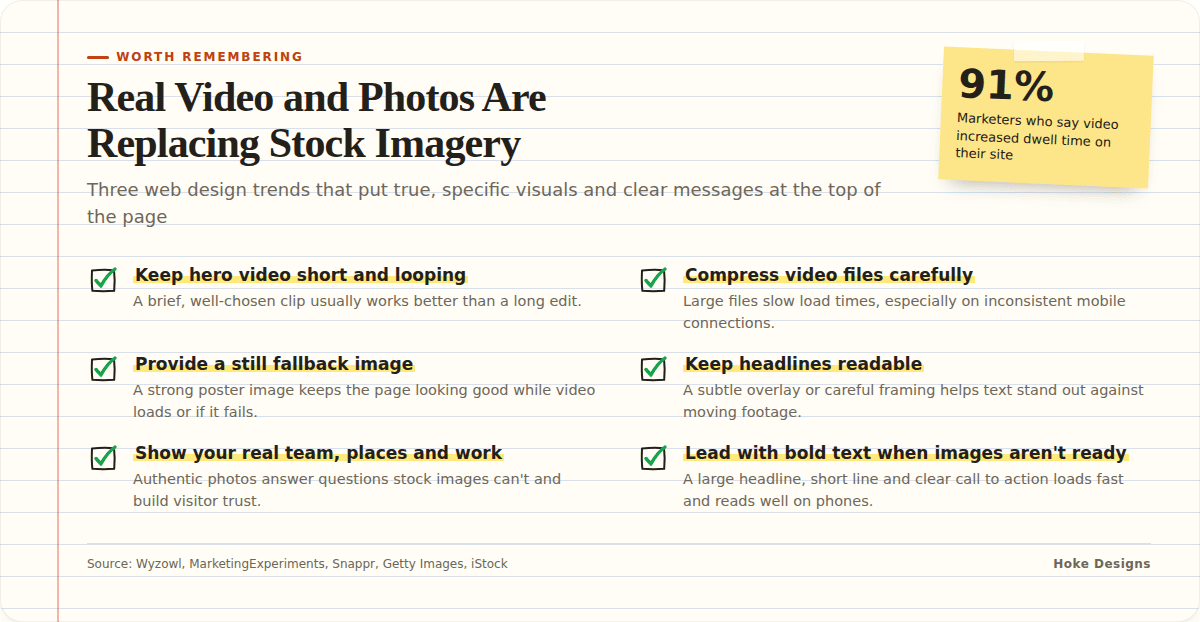
This infographic sums up the article on one page. Save it, share it with your team, or read on for the detail and the sources behind it.
In this article · 4 sections · 7 min
The first few seconds on a website shape what a visitor thinks of the business behind it. For years, many sites filled that space with polished stock photos: smiling people in a bright office, a handshake, a generic city skyline. Those images are now giving way to something more personal and more specific.
This article looks at three related web design trends: immersive hero video, authentic photography, and bold text-led hero sections. For each one, we cover how designers are using it and why it has become popular. For businesses in Juneau and across Southeast Alaska, these trends matter more than most. The region’s landscapes, waterways and communities are hard to fake, and visitors can usually tell when they are looking at the real thing.
Trend 1: Cinematic Hero Sections and Immersive Video
How it is being used
The “hero” is the large visual area at the top of a homepage, usually the first thing a visitor sees. Hero sections are increasingly built to feel like the opening shot of a film. Really Good Designs lists “cinematic hero sections” and dynamic motion design among the leading web design trends for 2026. It notes that designers often use full-bleed, high-quality photography or video backgrounds that run edge to edge across the screen.
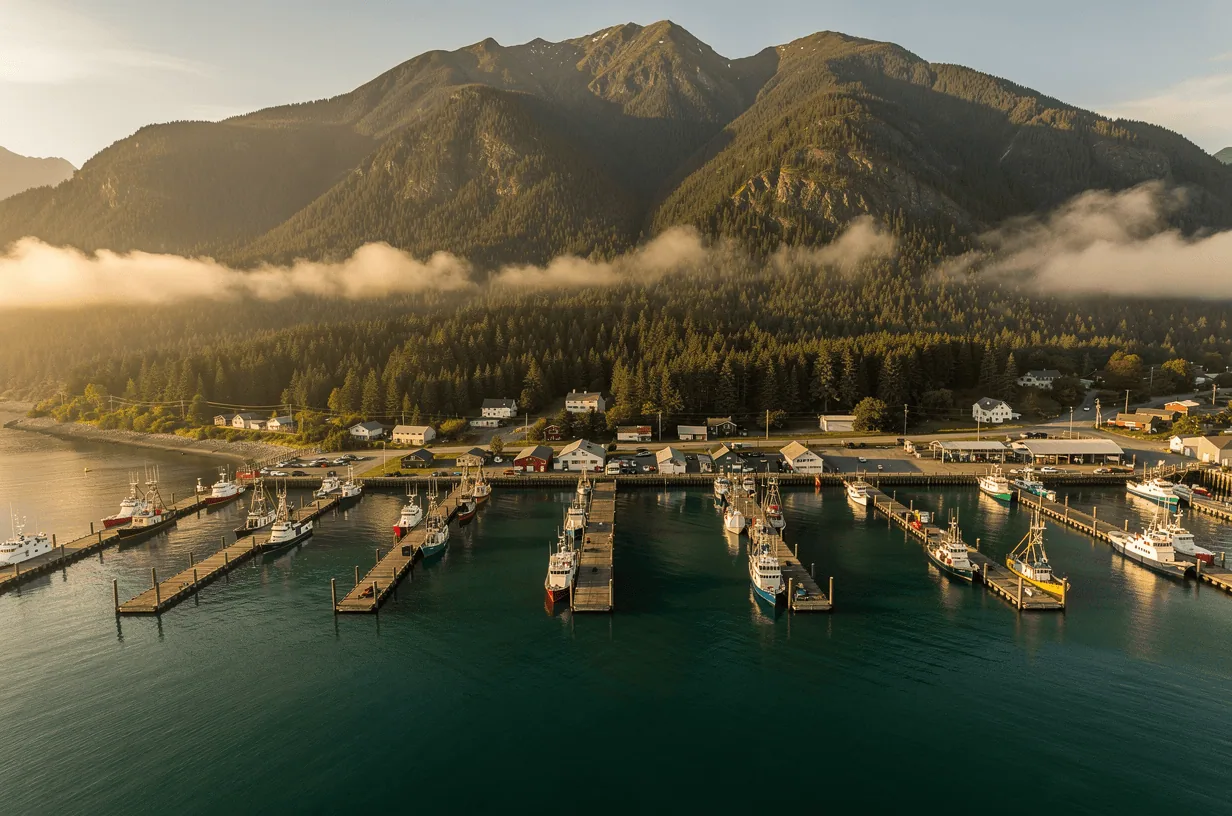
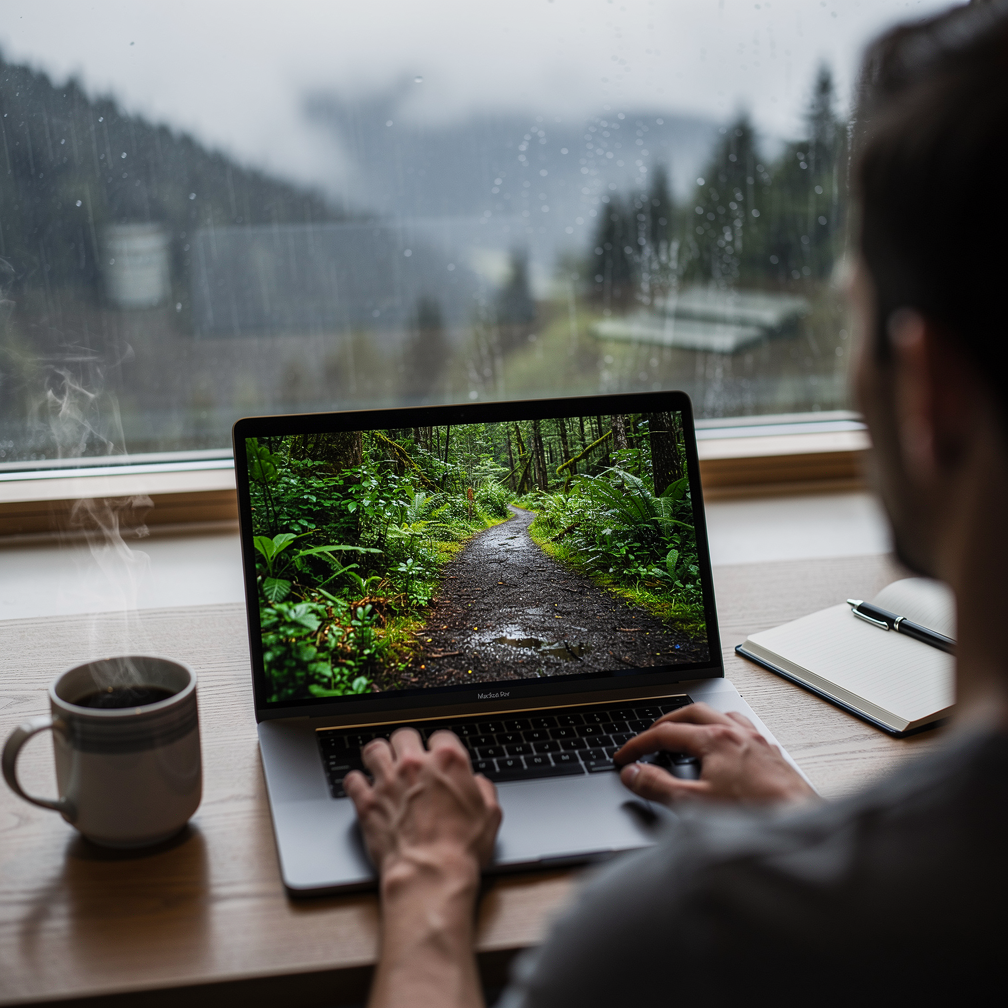
In practice, that might be a slow aerial pass over a harbor, a short loop of a crew at work on a building site, or a quiet clip of a trail through the rainforest. The video usually plays silently in the background, with a headline and a clear button laid over it. Its job is to set a mood, not to tell a full story.
Why it is popular
Video does something a still image struggles to do: it shows movement, scale and atmosphere all at once. HubSpot’s guidance on hero images recommends a hero visual, whether an image, video or animation, that creates an emotional connection. It adds that video works best for showing a product in action or creating atmosphere quickly.
There is also a practical reason. Video tends to keep people on a page longer. According to Wyzowl’s 2025 State of Video Marketing Report, as summarized by Levitate Media, 91% of marketers say video has increased dwell time on their websites, and 88% say video helps drive sales. Wyzowl itself says that adding a video to a landing page can increase average time on page by up to 2 minutes.
For a tour operator, a charter boat, a lodge or an event, that matters. A few seconds of footage can show a visitor what the experience feels like more convincingly than a paragraph of description.
Using it well
A hero video only helps if it supports the page instead of slowing it down. A few general principles hold up well:
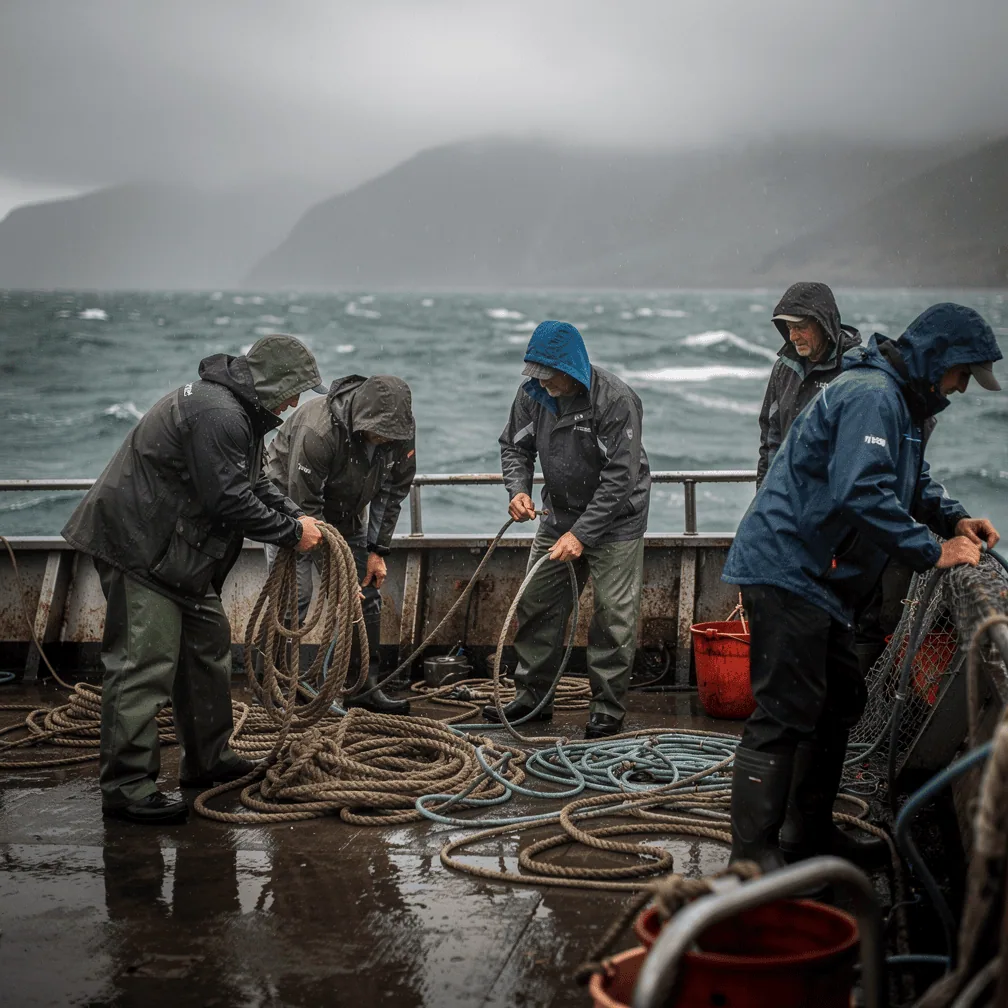
- Keep it short and looping. A brief, well-chosen clip usually works better than a long edit.
- Compress carefully. Large video files can slow load times, especially on mobile connections, which can be inconsistent in parts of a region spread across islands and remote communities.
- Provide a still fallback. A strong poster image keeps the page looking good while the video loads or if it does not play.
- Keep text readable. A subtle overlay or careful framing helps headlines stand out against moving footage.
- Respect the visitor. Background video should be muted, and motion should never get in the way of the main message or the next step.
Trend 2: Authentic Photography Replacing Stock
How it is being used
The second trend is the steady move away from generic stock photos toward real images of real people, places and work. That can mean photos of a business’s actual team, its storefront, its vessels or equipment, its finished projects, or the landscape where its customers will spend their time. Instead of a stock image of “a happy family on vacation,” a tourism site shows its own guests on its own tours. Instead of a stock model in a hard hat, a construction company shows its own crew and job sites.
Why it is popular
The short answer is trust, and the research on conversions backs it up. In a MarketingExperiments A/B test described by MetriFi, a client’s website tested a real photo of the client against a top-performing stock photo. The page with the real photo had a conversion rate nearly 35% higher. Snappr cites a case study in which leads rose 45% after generic stock images were replaced with real photos of the team. After reviewing research on the subject, CXL concludes that real, authentic images will convert better than stock photos in most cases.
The rise of AI-generated imagery has made authenticity even more valuable. For its VisualGPS report “Building Trust with AI,” Getty Images surveyed more than 30,000 adults in 25 countries between 2022 and 2024. It found that 98% of consumers consider authentic images and video essential to earning their trust. In a June 2024 iStock report on small business marketing, nearly 90% of people said they want to know if an image was created with AI, and 82% said they distrust social media.
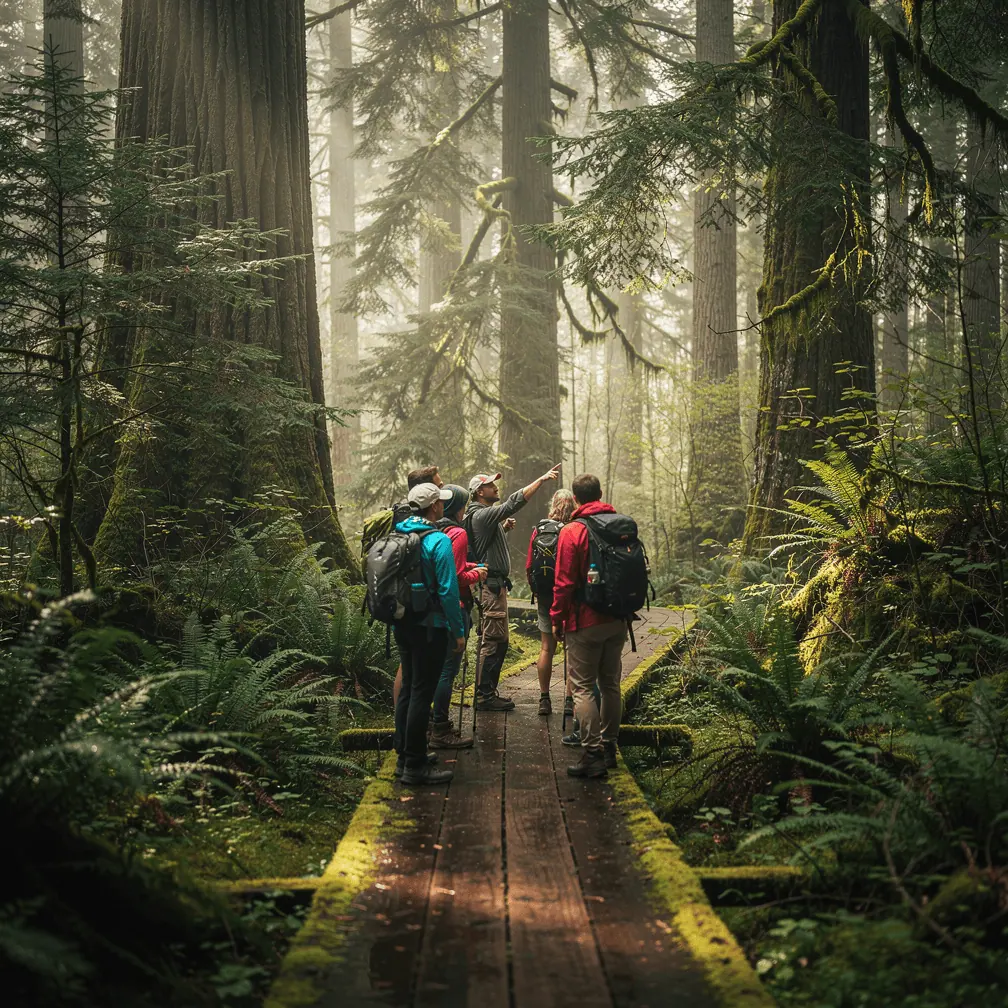
At the same time, Getty Images VisualGPS reports that more than 7 in 10 consumers can’t tell whether an image is real or AI-generated. Put those findings together and the picture is clear. People want to know what they are looking at, and they often cannot tell. A business that shows its own people, places and work gives visitors something they can rely on.
Why it fits Southeast Alaska
Many visitors to a Southeast Alaska business website are deciding whether to travel, book, buy property or hire someone they have never met. A real photo of the actual dock, the actual view from a listing, or the actual survey site answers questions that a stock image never could. It also avoids an awkward mismatch: a generic mountain photo that clearly is not the Inside Passage can quietly undercut a visitor’s confidence.
Trend 3: Bold, Text-Led Hero Sections
How it is being used
Not every site has strong original imagery ready on launch day, and not every message needs a picture. The third trend responds to that. Buildfire’s web design trends roundup reports that text-only hero sections and bold typography are replacing generic stock imagery to communicate brand messages more clearly. These designs lead with a large, confident headline, a short supporting line and a clear call to action, often on a clean background or a simple color field.
Why it is popular
A text-led hero is honest in its own way. Rather than filling space with an image that says nothing specific, it puts the business’s actual message front and center. It also loads quickly and reads well on small screens. For organizations with a clear, direct offer, such as a research group, a professional service or a business with a single main action, strong typography can do more than a placeholder photo.
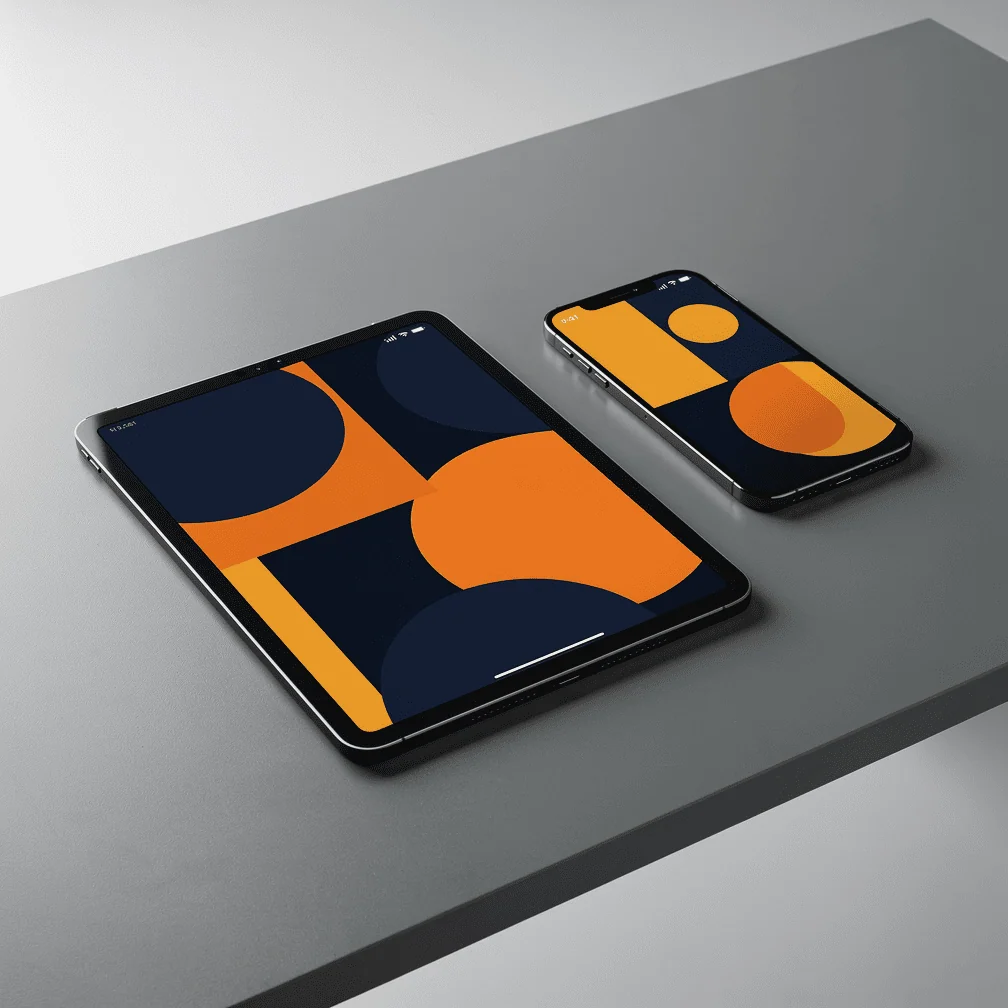
Text-led heroes also pair naturally with authentic imagery further down the page. A site might open with a bold statement, then follow it with real photos of the team and their work, or a short video clip in a later section.
Bringing the Trends Together
These three trends share one idea: show visitors something true and specific. Cinematic video sets the scene, authentic photography builds trust, and bold typography states the message plainly when no image is needed. The common thread is that generic, interchangeable visuals are falling out of favor.
At Hoke Designs, we have been designing websites in Juneau since 2007, and our family-owned studio brings custom web design, development, hosting, photography, video editing and drone work under one team. Our FAA-certified drone pilots and photo shoots are based in Southeast Alaska, which means original imagery and the site it lives on can be planned together from the start rather than pieced together afterward.
If you would like to talk about replacing stock imagery with real photos or video on your site, call (424) 209-8199 or send a message via our contact form, and a person will reply within one business day.
Images are presented for illustration purposes only.We use real photographs when we need to show what was happening at a real event.
Keep reading
More on Web Design
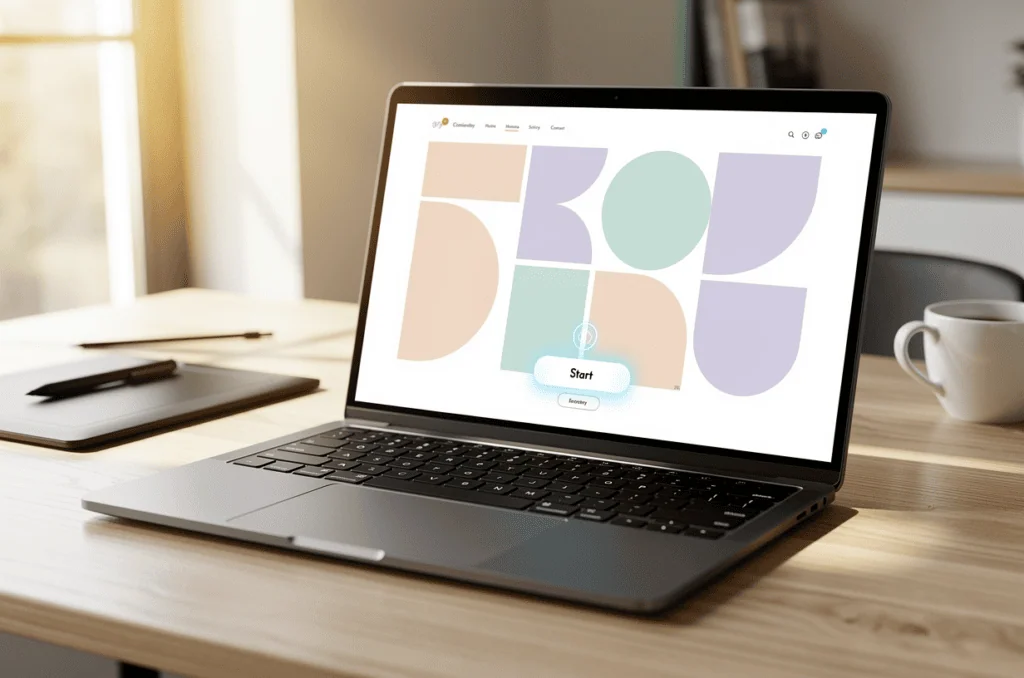
Variable Fonts and Custom Cursors: Small Web Design Trends
Variable fonts and expressive custom cursors are two small details that can make a website feel more polished and more like the brand behind it. We…
Sticky Navigation and Thumb-Zone Design: Where Menus Belong Now
Menus no longer have to sit in one row at the top of the page. We explain how sticky headers and thumb-zone design help visitors find…
Kinetic Typography and Anti-Design: Web Design That Breaks the Rules
Moving headlines and deliberately rough layouts are replacing the clean, template-driven look. Here is what kinetic typography and anti-design brutalism are and how designers use them.…
Hoke Designs
Questions about your own website?
Talk to the team that writes these articles and looks after dozens of sites every day. You’ll get a straight answer.