

Cinematic Hero Sections and Drone Imagery: Web Trends That Fit Southeast Alaska
More websites now open with a full-screen view instead of a logo and welcome text. We look at three related trends: cinematic hero sections, aerial drone imagery as core content, and background video with image-led navigation. For each, we cover how it is used, why it is popular and why it suits businesses in Southeast Alaska.
At a glance
The short version
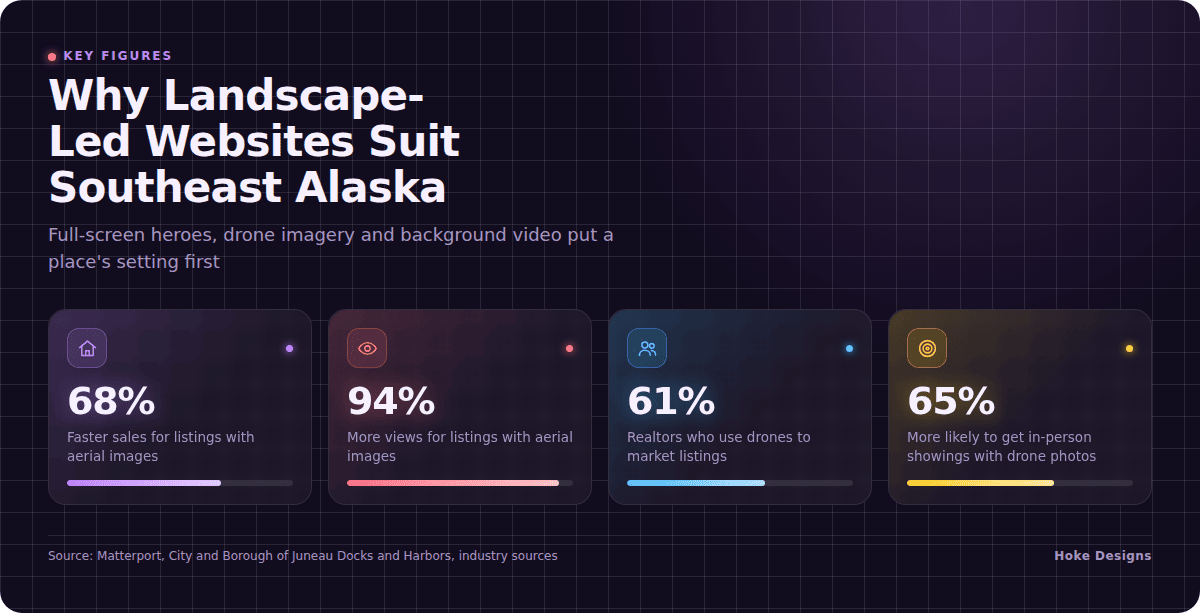
This infographic sums up the article on one page. Save it, share it with your team, or read on for the detail and the sources behind it.
In this article · 5 sections · 7 min
Many websites used to open with a logo, a paragraph of welcome text and a row of small buttons. A growing number now open with a view instead: a fjord from five hundred feet up, a property with mountains behind it, or a slow pan across a harbor. Navigation and copy are placed over or around the image rather than in front of it.
This article looks at three related web design trends behind that change: full-screen cinematic hero sections, aerial drone imagery used as core content, and background video and image-led navigation. For each one, we cover how it is being used and why it has become popular. We also explain why these approaches suit businesses in Southeast Alaska.
Trend 1: Full-Screen Cinematic Hero Sections
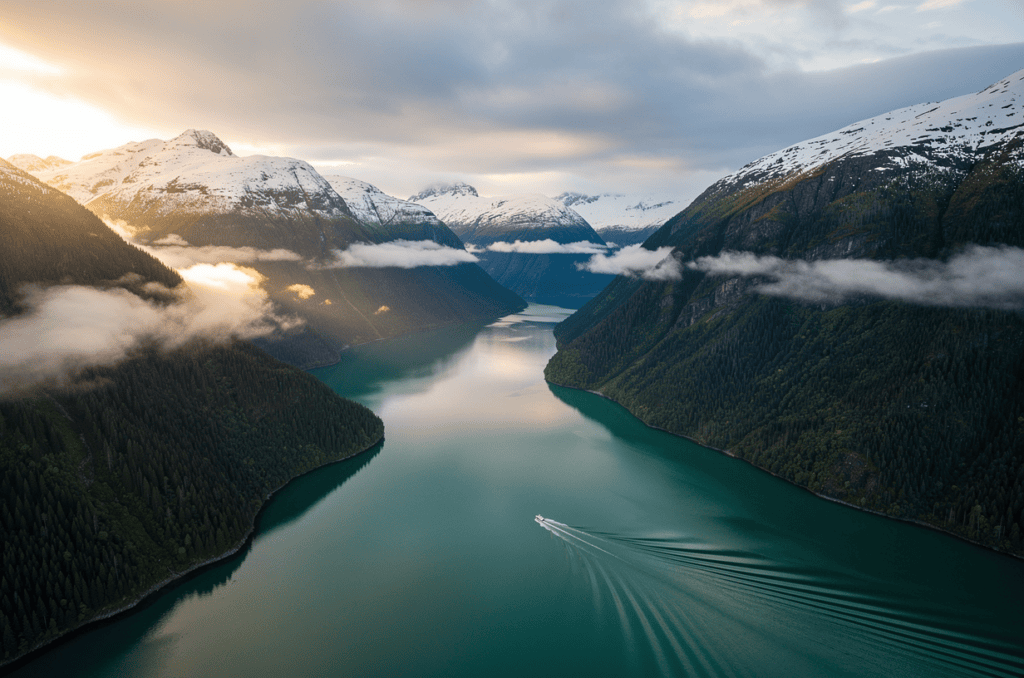
The “hero” is the first section a visitor sees when a page loads, before any scrolling. In the last few years it has grown from a banner strip to the whole screen. Designers now treat full-screen hero sections that immerse users as soon as they land as a dominant design trend, built with high-resolution images, video or interactive elements. Other industry roundups call the same idea cinematic visuals: sweeping, immersive imagery in the hero section people see before they scroll.
How it is being used
A typical cinematic hero has three layers:
- A single strong image or short clip that fills the browser window edge to edge.
- A short headline, often only a few words, that tells visitors where they are and what the business does.
- One or two clear actions, such as “Book a Tour” or “View Listings,” placed where the eye lands naturally.
The menu usually becomes slim or transparent so it does not compete with the picture. Further down the page, the layout returns to standard sections for services, details and contact information.
Why it is popular
The main reason is first impressions. Visitors decide within seconds whether a site is worth their time, and a large image conveys mood, place and quality faster than text can. A full-screen hero also makes a site feel deliberate and less like a template. On phones, where people scroll with a thumb, a single bold image reads better than a crowded grid of small elements.
The trend carries a responsibility, though. When one image fills the screen, that image has to be very good. A blurry or generic stock photo stretched across a large monitor looks worse than it would in a small box. That requirement leads to the next trend.
Trend 2: Aerial Drone Imagery as Primary Content
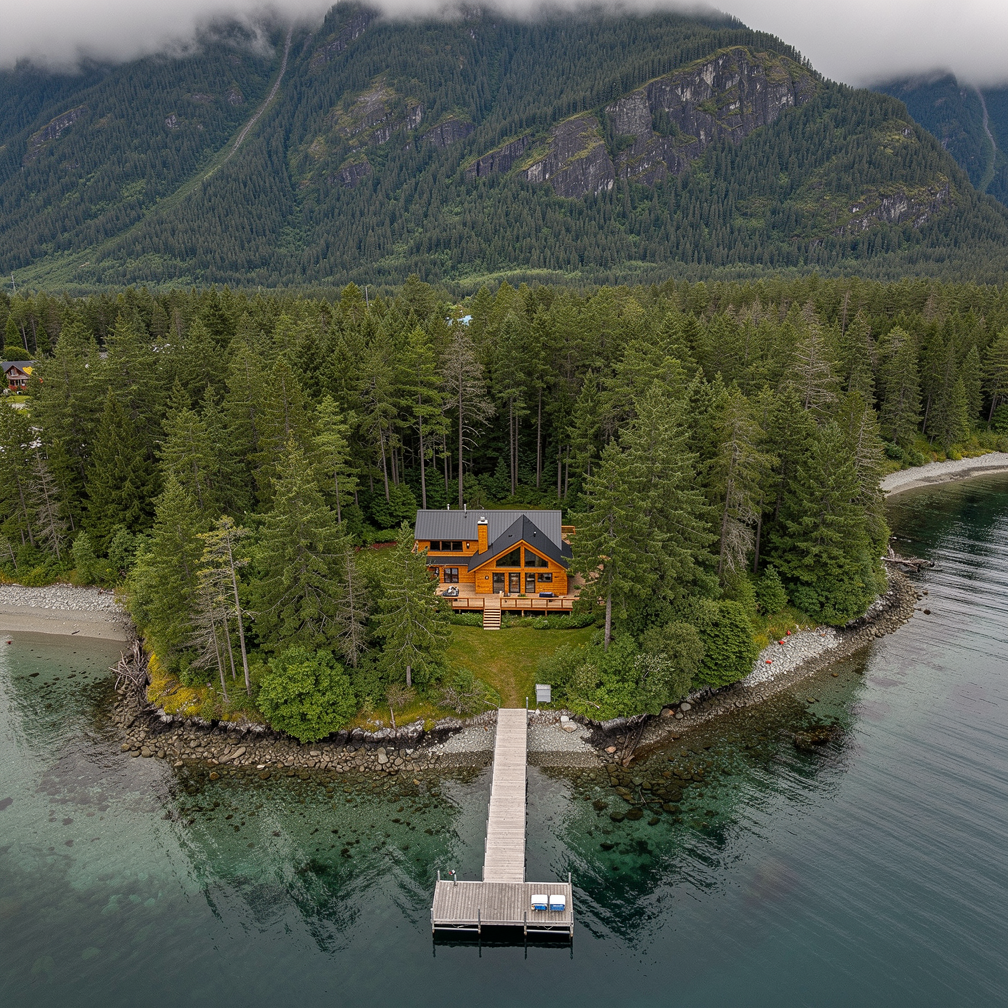
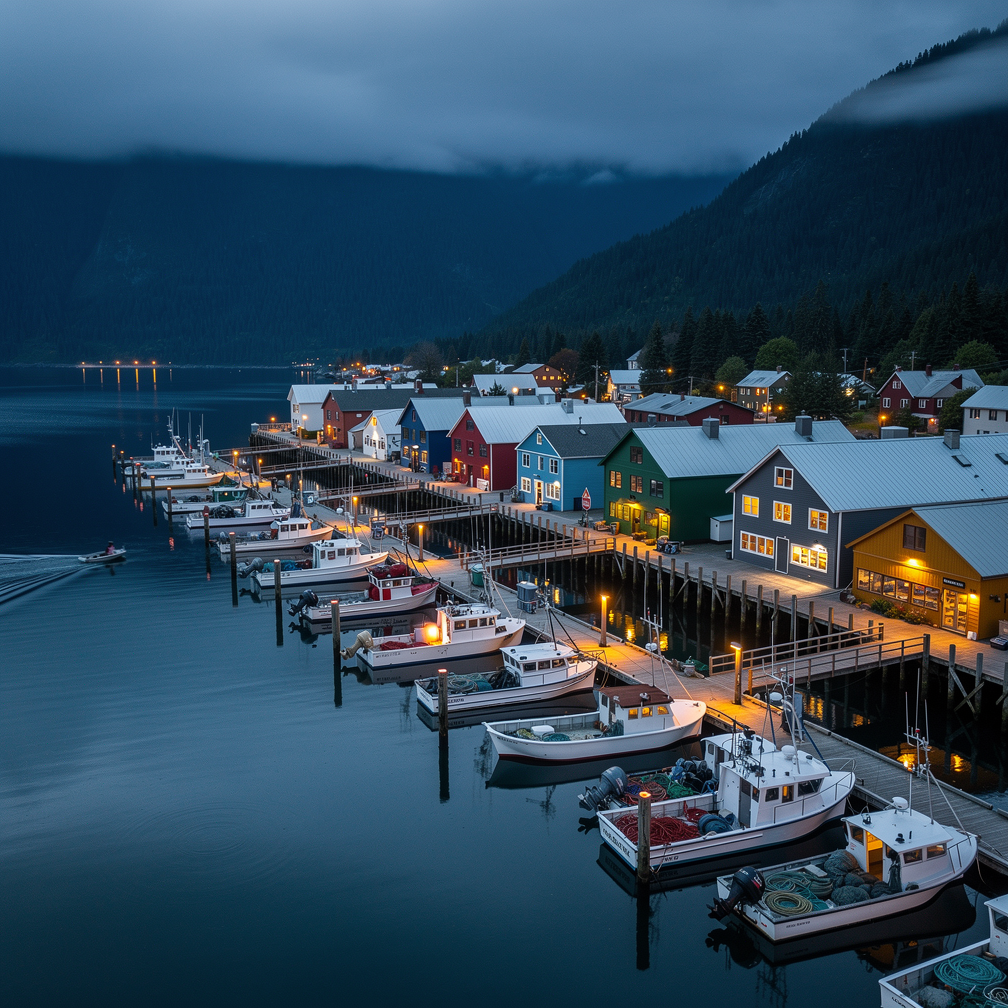
Drones have changed what “a good hero image” can mean. A shot from above shows context that ground-level photography cannot: how a property sits on its lot, how a trail climbs a ridge, or how a lodge relates to the water and the mountains around it. Websites increasingly use aerial imagery as the central visual and build the rest of the page around it.
How it is being used
Real estate shows the trend most clearly. Aerial photos establish location, acreage, views and neighborhood at a glance. Reported results are strong. One industry source states that listings with aerial images sell 68% faster and get 94% more views than listings without them. Another reports that 61% of realtors use drones to market listings. Matterport states that properties are 65% more likely to get in-person showings when their listings include drone photography.
The same approach is spreading to other fields:
- Tourism and marine businesses show routes, coastlines and destinations from above, so visitors understand the trip before they book.
- Construction and land survey firms show site progress, terrain and scale, and they often pair imagery with mapping data.
- Research and wildlife organizations show study areas and habitats in a way that supports their message.
Why it is popular
Aerial imagery answers questions before visitors think to ask them. Where is this? How big is it? What is nearby? It also gives a site a sense of place, which a stock photo cannot do. For businesses whose main selling point is their setting, an aerial view often makes the strongest case.
Trend 3: Background Video and Image-Led Navigation
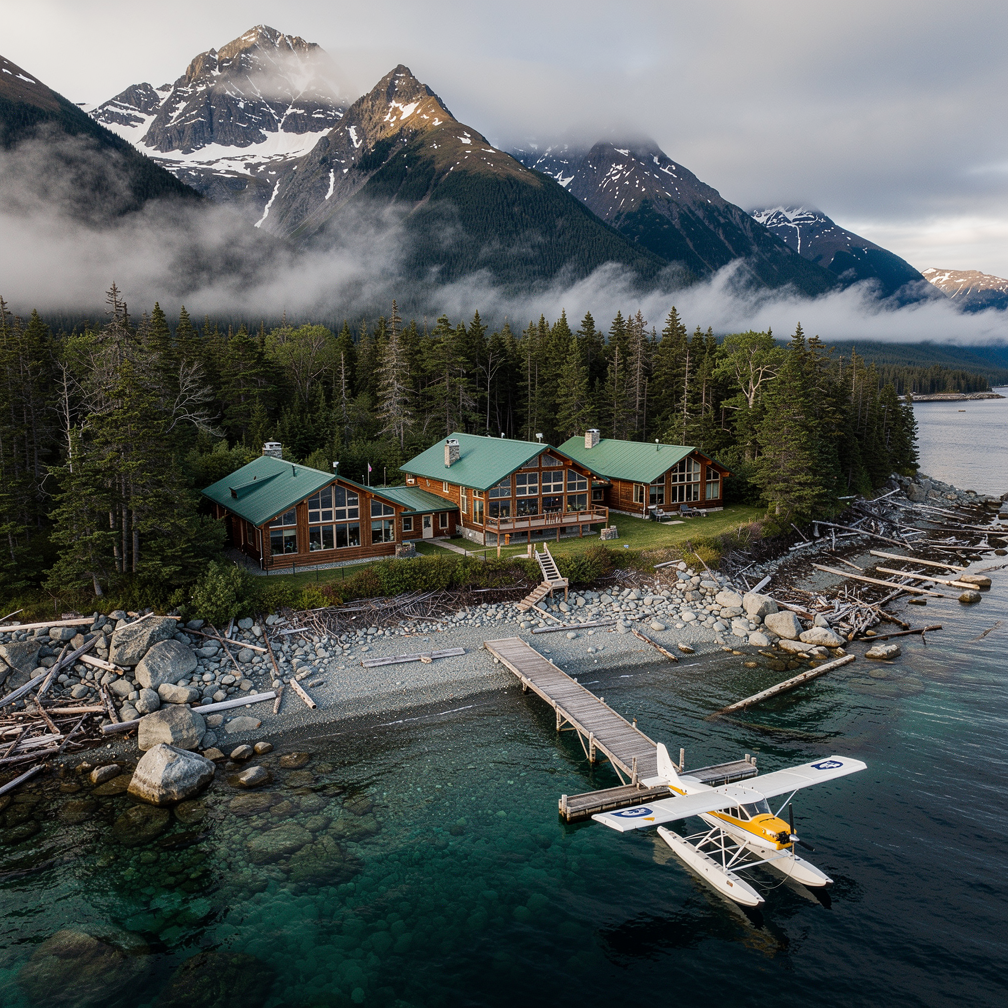
The third trend adds motion and lets images do some of the navigating. According to Push10, background videos remain a popular choice for homepage hero sections, adding mood, movement and visual interest when used well. Drone footage is well suited to this use. A slow, steady aerial glide over water or forest makes a calm, looping backdrop that holds attention without distracting from the headline.
How it is being used
Full-screen visual navigation goes beyond the hero. Common patterns include:
- Large image tiles as menu items. A tour company might show each excursion as a full-width photo, and a click opens that tour’s page.
- Scroll-driven storytelling. Each screen-height section has its own image, so scrolling feels like moving through a place.
- Short muted video loops in place of static photos, usually only a few seconds long and compressed to load quickly.
Why it is popular
Motion signals that a site is current and cared for, and image-led navigation is intuitive: people click on what looks interesting. These patterns also work across screen sizes, because a stack of full-width visuals adapts to a phone more easily than a complex multi-column layout.
Why These Trends Fit Southeast Alaska
Some regions have to work hard to make their surroundings look interesting. Southeast Alaska does not. The City and Borough of Juneau alone covers 2,593.6 square miles of land and 487.6 square miles of water, much of it reachable only by boat, plane or trail. A landscape at that scale is hard to convey from the ground, and aerial imagery is often the clearest way to show it.
The audience is also large. Juneau saw a record 1,677,935 cruise ship passengers in the 2024 season, up from 1,638,902 in 2023, according to the City and Borough of Juneau’s Docks and Harbors data. Many of those visitors research tours, shops and restaurants on their phones before they arrive or while they are walking off the dock. A full-screen image that shows exactly what they will see helps a business stand out.
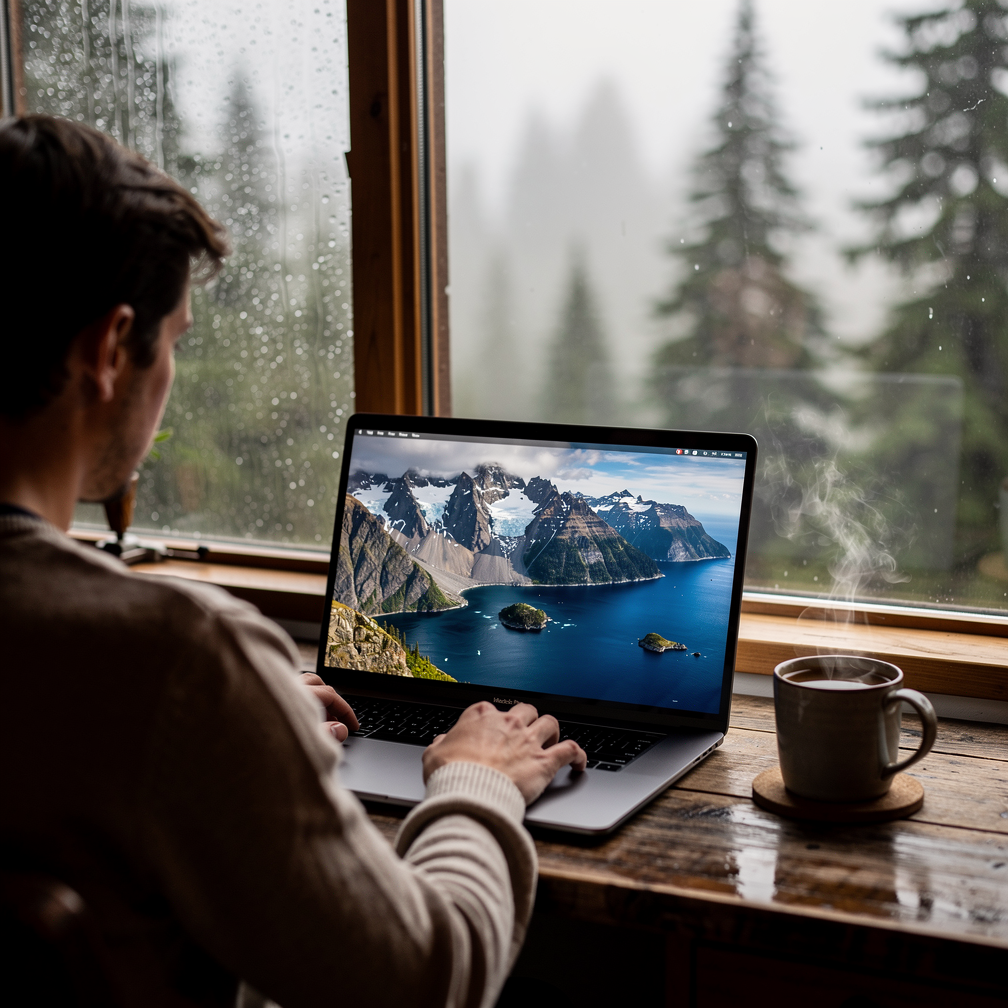
Local businesses also serve people who live here year-round. The Juneau Empire reported that community support for cruise tourism continued a slow decline in an annual survey, even during that record year. A website does not have to choose one audience. The same landscape imagery that draws a visitor can also speak to residents who care about the place, as long as the copy and offers below the hero address the people the business wants to reach.
Making Landscape-Led Design Work
These trends look simple, but they fail quickly when they are done poorly. A few principles help:
- Performance comes first. Large images and video need careful compression and modern formats, and they should load in stages. Many people in Southeast Alaska use variable connections, and a beautiful hero that takes ten seconds to appear will lose them.
- Text must stay readable. Headlines over images need enough contrast, often from a subtle overlay, so they can be read against snow, sky or water.
- Accessibility matters. Background video should be muted, and it should pause or respect reduced-motion settings. Images that carry meaning need descriptive alt text.
- The image has to be real. Imagery of your actual property, site or route is far more persuasive than generic scenery.
- Flying must be legal. Commercial drone work in the United States requires FAA-certified pilots, and many locations add their own rules.
Hoke Designs is a family-owned studio in Juneau that has designed websites since 2007. Our team handles website design, development and hosting, and our FAA-certified drone pilots fly throughout Southeast Alaska. When one team handles both the imagery and the site that displays it, the hero image, the page layout and the load speed can be planned together from the start.
If you would like your landscape to lead your website, call (424) 209-8199 or send us a message through our contact form, and a person will reply within one business day.
Images are presented for illustration purposes only.We use real photographs when we need to show what was happening at a real event.
Keep reading
More on Web Design

Gamified Web Design: Progress Bars, Multi-Step Forms and Quizzes
Progress indicators, multi-step forms and interactive quizzes borrow ideas from games to keep visitors moving. We look at the research behind each trend, what the evidence…

Split-Screen Layouts and Bold Color Blocking in Web Design
Many modern homepages now cut the screen in half or into blocks of saturated color. We look at what split-screen layouts and color blocking are, how…

Scrollytelling Landing Pages and Horizontal Scroll Galleries: How These Web Design Trends Work
Scrollytelling turns a scroll into a guided story, and horizontal galleries let visitors swipe sideways through images and products. We look at how each trend works,…
Hoke Designs
Questions about your own website?
Talk to the team that writes these articles and looks after dozens of sites every day. You’ll get a straight answer.