
Booking, Event Hubs and Fast Mobile Pages: Web Design Trends for Southeast Alaska
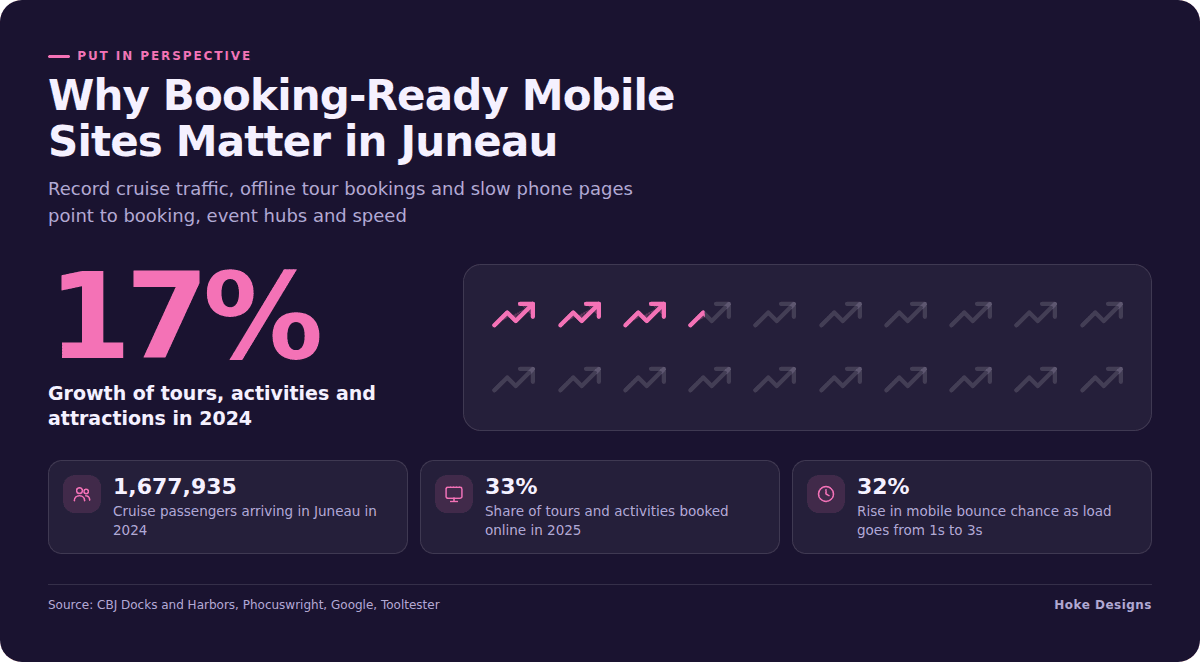
With Juneau welcoming a record 1.68 million cruise passengers in 2024 and a daily cap arriving in 2026, websites need to do more than list a phone number. We look at three linked trends: booking-centric design, dynamic content hubs and speed-first mobile pages.

At a glance
The short version
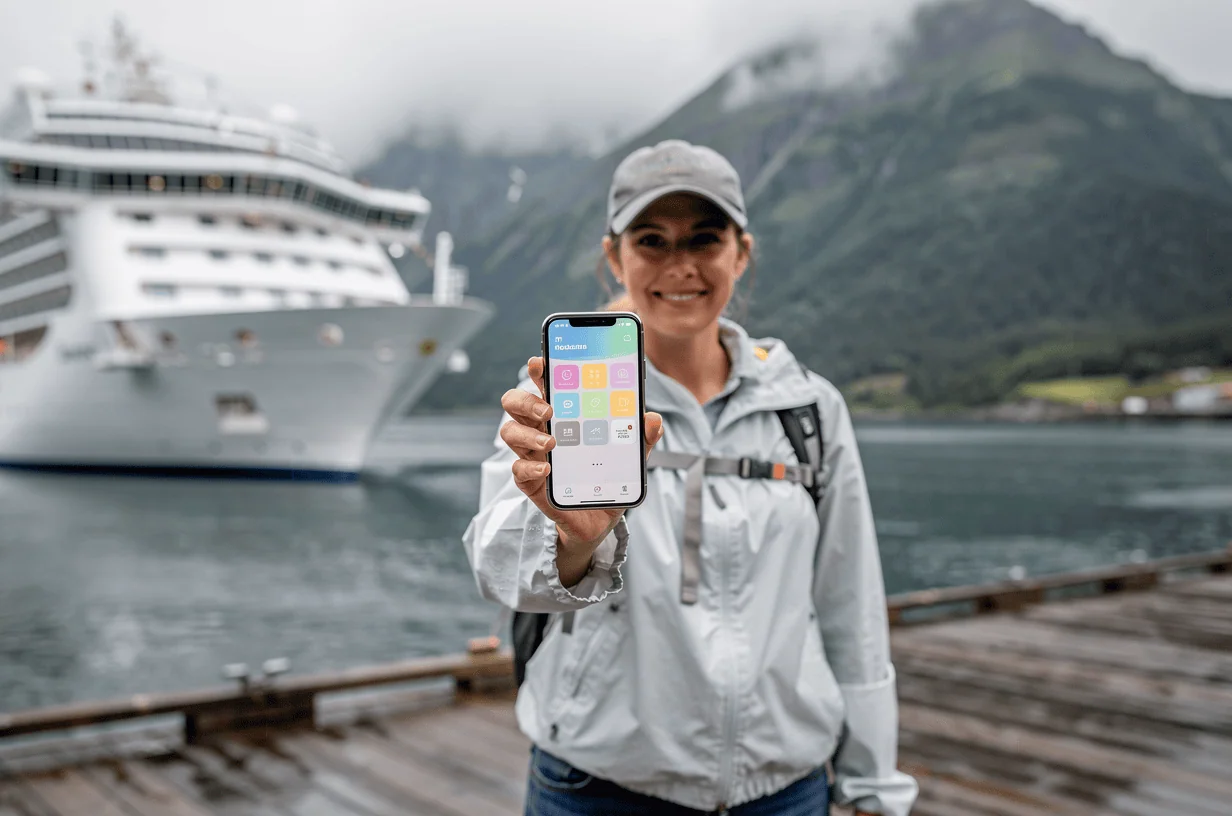
This infographic sums up the article on one page. Save it, share it with your team, or read on for the detail and the sources behind it.
In this article · 5 sections · 6 min
In much of Southeast Alaska, a website’s job used to be simple: say who you are, show a few photos and list a phone number. That is no longer enough. Visitors now expect to see what is happening, check what is available and reserve a spot in a few taps. At Hoke Designs, we have been designing websites in Juneau since 2007. In this article we look at three closely linked trends behind this shift: booking-centric design, dynamic content hubs and speed-first mobile pages.
Why This Matters So Much Here
Juneau’s visitor numbers make the case on their own. The city had its second record cruise year in a row in 2024. According to the City and Borough of Juneau’s Docks and Harbors department, 1,677,935 cruise passengers arrived that season, up from 1,638,902 in 2023. Ships were fuller too. They ran at 104% capacity in 2024, compared with 101% in 2023, which means some cabins held more than two people.
Change is coming as well. Starting in 2026, a voluntary agreement between the city and the cruise industry caps cruise passengers at 16,000 a day, or 12,000 on Saturdays, following an earlier limit of five ships per day. When daily visitor numbers are capped, each visitor counts for more. Being found and booked before people step off the ship becomes a real advantage.
Trend 1: Booking-Centric Design
Booking-centric design treats the reservation as the main goal of the website. It is not a side feature tucked away on a contact page. Instead, the whole site is built to move people toward booking.
How it is being used
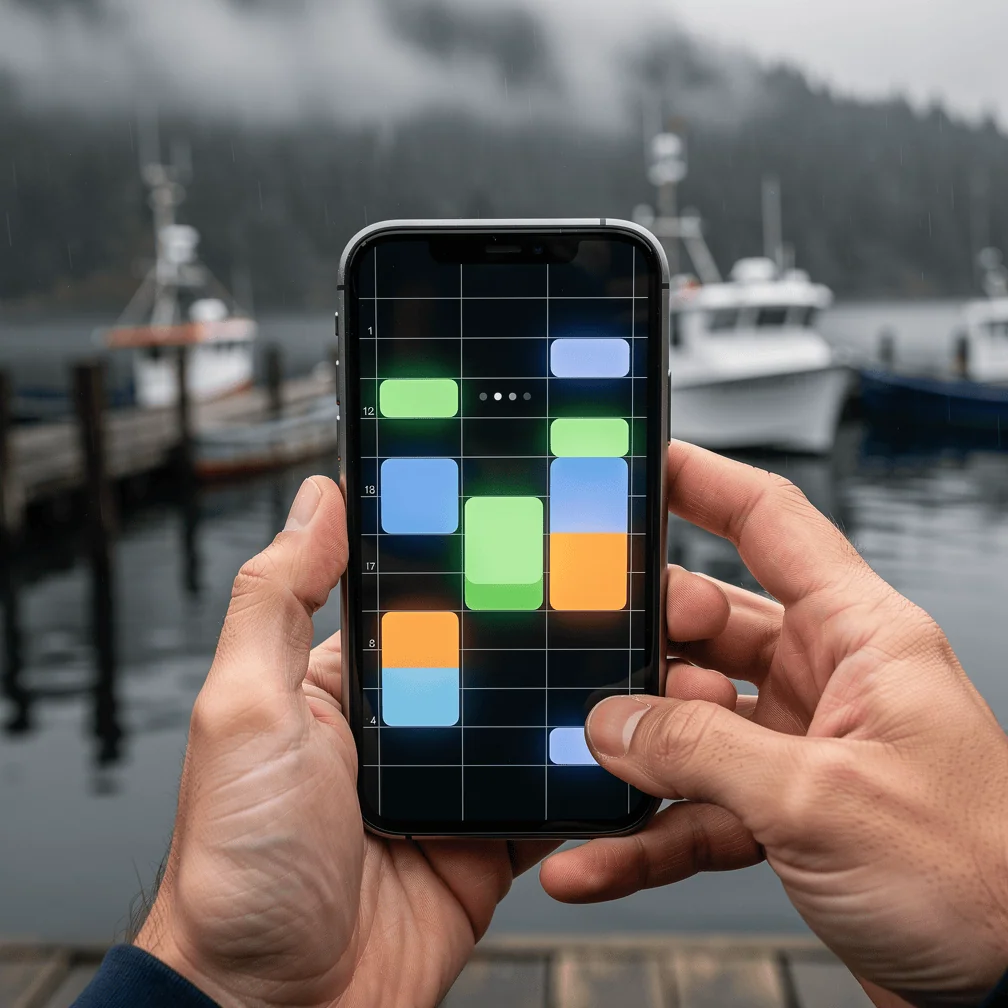
- Persistent booking buttons. A “Book Now” or “Check Availability” button stays visible as visitors scroll, especially on phones.
- Live availability on the page. Calendars and time-slot pickers sit right on tour, rental or appointment pages, so visitors can see open dates without making a call.
- Short, focused checkout. Fewer form fields, clear pricing and a confirmation screen that tells people exactly what happens next.
- Booking built into the story. Photos, video and descriptions lead directly to a reservation option instead of a dead end.
Why it is popular
The experiences market is growing fast, but much of it still runs offline. Tours, activities and attractions grew 17% in 2024, nearly three times as fast as travel overall, and the sector is projected to reach $342 billion by 2029. Yet only 33% of tours, activities and attractions were booked online in 2025, compared with 64% of all travel bookings.
Phocuswright explains the gap this way: the sector is made up of many small operators, and travelers have a strong habit of booking on the spot. Even so, those same travelers book 3.5 to 4.7 experiences per trip. Across travel as a whole, Phocuswright projected that online bookings would reach $1.2 trillion by 2026, out of $1.72 trillion in global gross travel bookings expected for 2025. Travelers already know how to book online. Many small experience businesses simply have not made it easy for them yet. Booking-centric design closes that gap.
Trend 2: Dynamic Content Hubs
A dynamic content hub is a section of a website that changes regularly. It brings together event calendars, seasonal guides, itineraries, news and listings in one organized place. It is the opposite of a static “About Us” page that stays the same for years.
How it is being used
A good local example is Travel Juneau, the city’s destination marketing organization. It offers an official Juneau Travel Planner and a virtual planning guide with things to do, restaurants and itineraries for people planning trips. The idea behind that kind of resource works for businesses of any size:
- Filterable event calendars that let visitors sort by date, type or location.
- Seasonal pages that bring the right offerings forward at the right time of year.
- Itinerary-style content such as “a half day in port” or “a weekend in town,” with each stop linked to a booking or event page.
- Reusable event listings that update in one place and appear across the homepage, the calendar and related articles.
Why it is popular
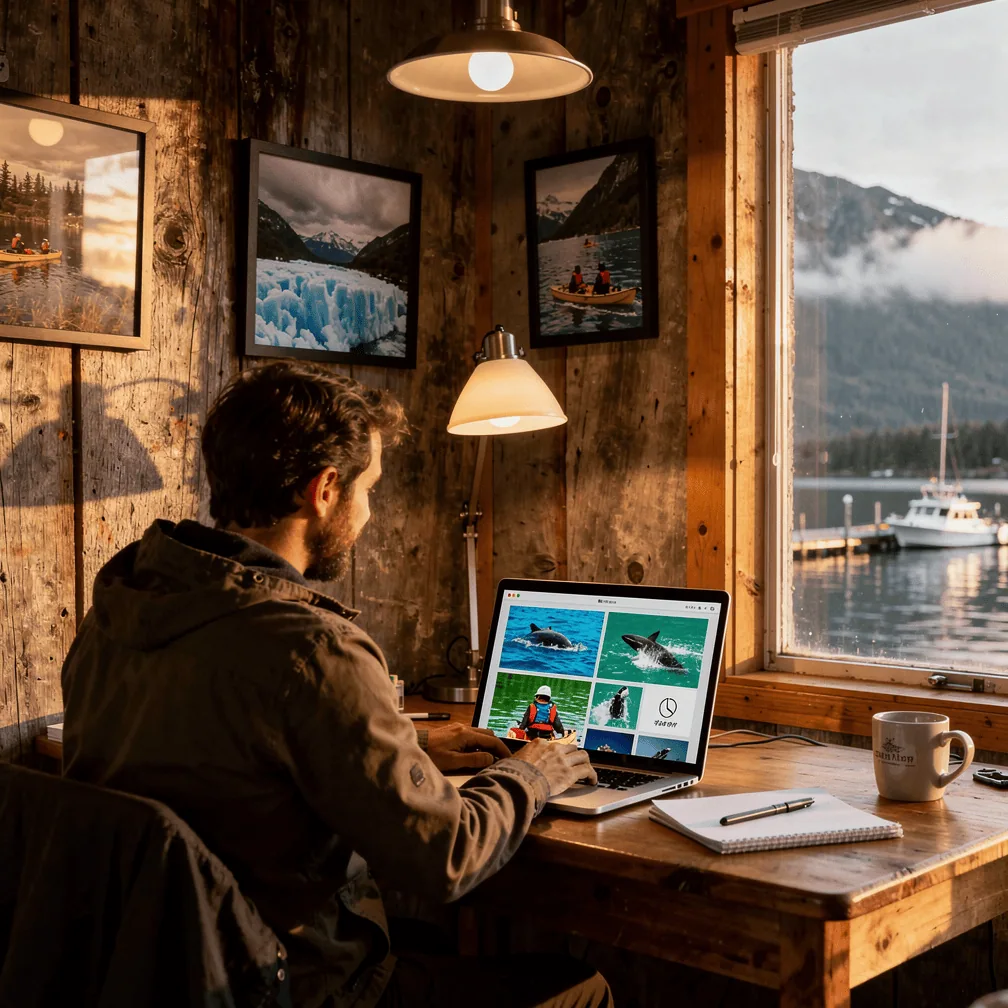
Content hubs give people a reason to visit while they are still in the planning stage, often weeks before they arrive. They also give search engines fresh, useful pages to index. The key trend is connecting the hub to booking. An event listing that ends with a registration button, or an itinerary that links straight to available times, turns browsing into action. Without that link, a content hub is just a brochure. With it, the hub becomes a front door.
Trend 3: Speed-First Mobile Design
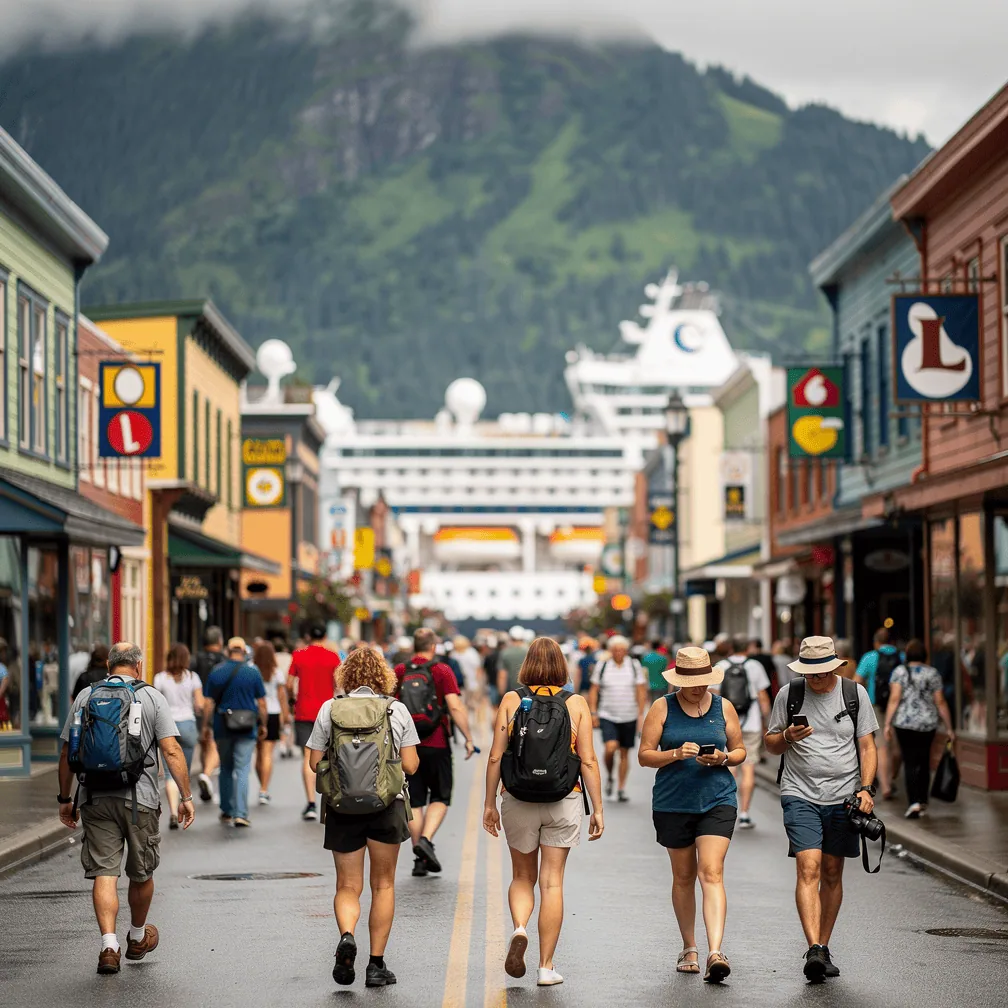
None of this works if the page is slow. Many visitors browse on a phone, often over unreliable connections, whether on a ship, at a trailhead or in a crowded downtown street. Speed has moved from a technical detail to a design priority.
How it is being used
Designers are compressing images, loading only what each page needs, simplifying booking widgets and testing on real mobile connections instead of fast office Wi-Fi. Large photos and video still play a big role in tourism sites, but they are delivered in lighter formats and sizes.
Why it is popular
The numbers are hard to ignore. A Google study found that the chance of a mobile visitor leaving a page right away rises 32% as load time goes from 1 second to 3 seconds. Google recommends load times under 3 seconds, yet a Tooltester study found that pages load in 2.5 seconds on desktop but 8.6 seconds on mobile on average. For a booking page, every extra second is a chance for someone to give up and walk to the next booth on the dock.
Bringing the Three Trends Together
These trends work best as one system. The content hub draws people in, booking-centric design gives them a clear next step, and fast mobile performance keeps them from leaving before they finish. For tour operators, marine businesses, event organizers and service providers across Southeast Alaska, this combination can help capture visitors who might otherwise only book on the spot, or not book at all.
This is the kind of work we focus on at Hoke Designs. Our services include reservations and appointment booking, calendar and events, e-commerce and managed hosting, and we offer live feature demos so you can try reservations, events, courses and e-commerce before you commit. Because we build custom sites rather than templates, and because design, development, hosting, photography and drone work are handled by one team, the booking tools, visuals and hosting can be planned together from the start instead of pieced together later.
If you would like to talk about adding booking or an events hub to your website, call (424) 209-8199 or send a message through our contact form, and a real person will reply within one business day.
Images are presented for illustration purposes only.We use real photographs when we need to show what was happening at a real event.
Keep reading
More on Web Design
Variable Fonts and Custom Cursors: Small Web Design Trends
Variable fonts and expressive custom cursors are two small details that can make a website feel more polished and more like the brand behind it. We…
Sticky Navigation and Thumb-Zone Design: Where Menus Belong Now
Menus no longer have to sit in one row at the top of the page. We explain how sticky headers and thumb-zone design help visitors find…
Kinetic Typography and Anti-Design: Web Design That Breaks the Rules
Moving headlines and deliberately rough layouts are replacing the clean, template-driven look. Here is what kinetic typography and anti-design brutalism are and how designers use them.…
Hoke Designs
Questions about your own website?
Talk to the team that writes these articles and looks after dozens of sites every day. You’ll get a straight answer.