

The Ultimate Guide to Firewall Protection for Business Websites: Safeguard Your Reputation, Revenue, and Data
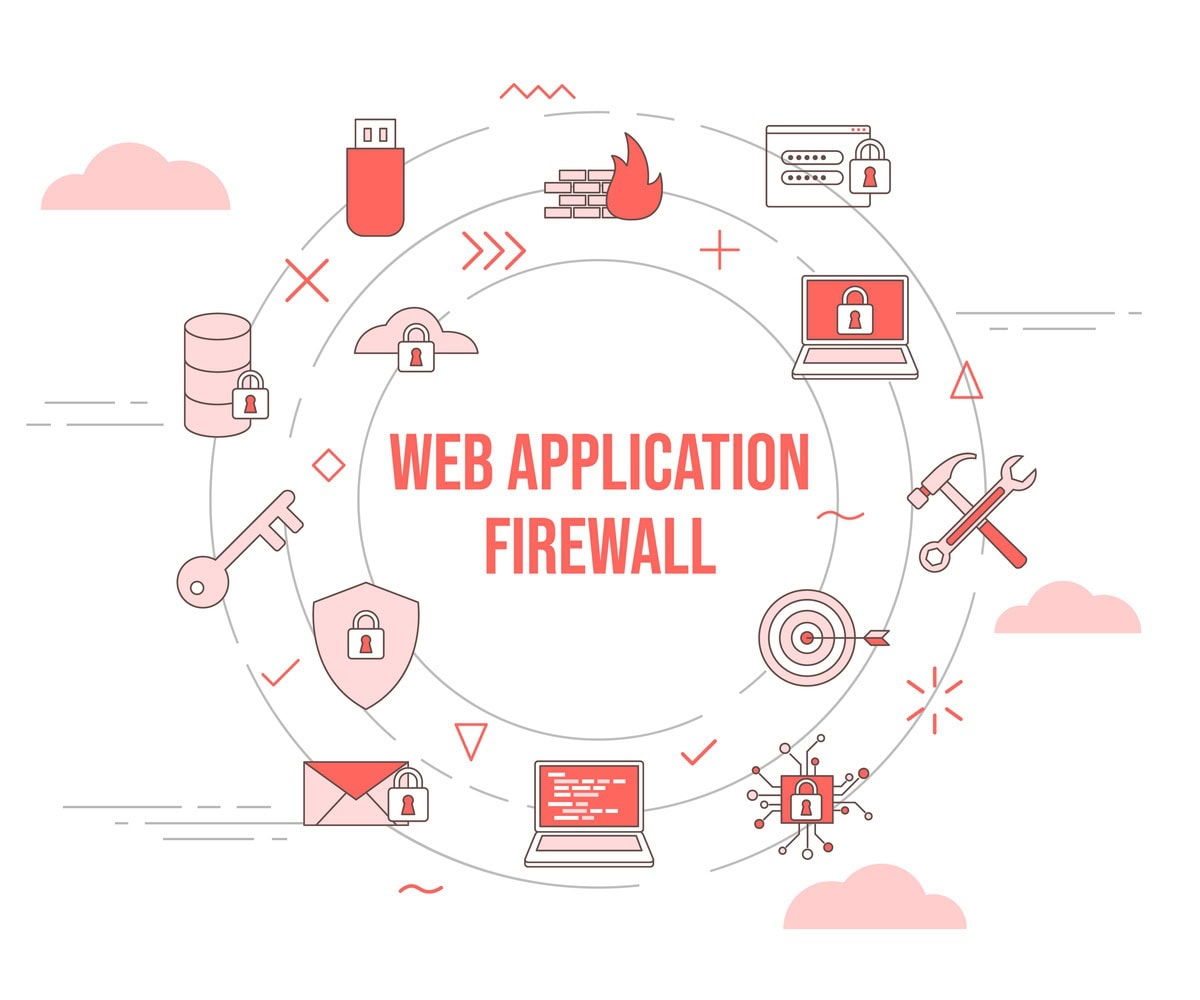
Here is the polished, publication-ready version of your article. All placeholder text has been removed, and the content has been refined for clarity, flow, and professional tone while preserving your original structure and Markdown formatting.
—
The Importance of Firewall Protection for Business Websites: Defend Your Reputation, Revenue, and Data
Primary keywords: firewall protection for business websites, web application firewall, website firewall, network firewall
Every day, businesses—large and small—rely on their websites as the primary gateway for sales, customer service, and brand reputation. But as online activity grows, so do threats: data breaches, DDoS attacks, malware injections, and brute-force login attempts. Firewall protection for business websites is not optional; it’s a critical, proactive defense that keeps attackers out, customers safe, and operations uninterrupted. This article explains why firewalls matter, compares firewall types, shows how to implement them effectively, and gives concrete steps you can take today to strengthen your website security and protect your bottom line.
Introduction: Why Website Firewalls Are a Business Imperative
Imagine waking up to a homepage that’s been defaced, customer records leaked, or an online checkout disabled during your biggest sale. These scenarios aren’t hypothetical—they happen daily. Cyberattacks cost organizations millions in recovery, regulatory fines, and lost customer trust. A robust firewall, tailored to your website and network needs, acts as the first line of defense, stopping many attacks before they penetrate your systems.
In this article, you will learn: the business risks of inadequate protection, the types of firewalls (network vs. web application), key features to look for, how to deploy and manage firewalls effectively, compliance and liability considerations, real-world examples, and a practical checklist to improve your website security immediately.

What Is a Firewall and How Does It Protect Business Websites?
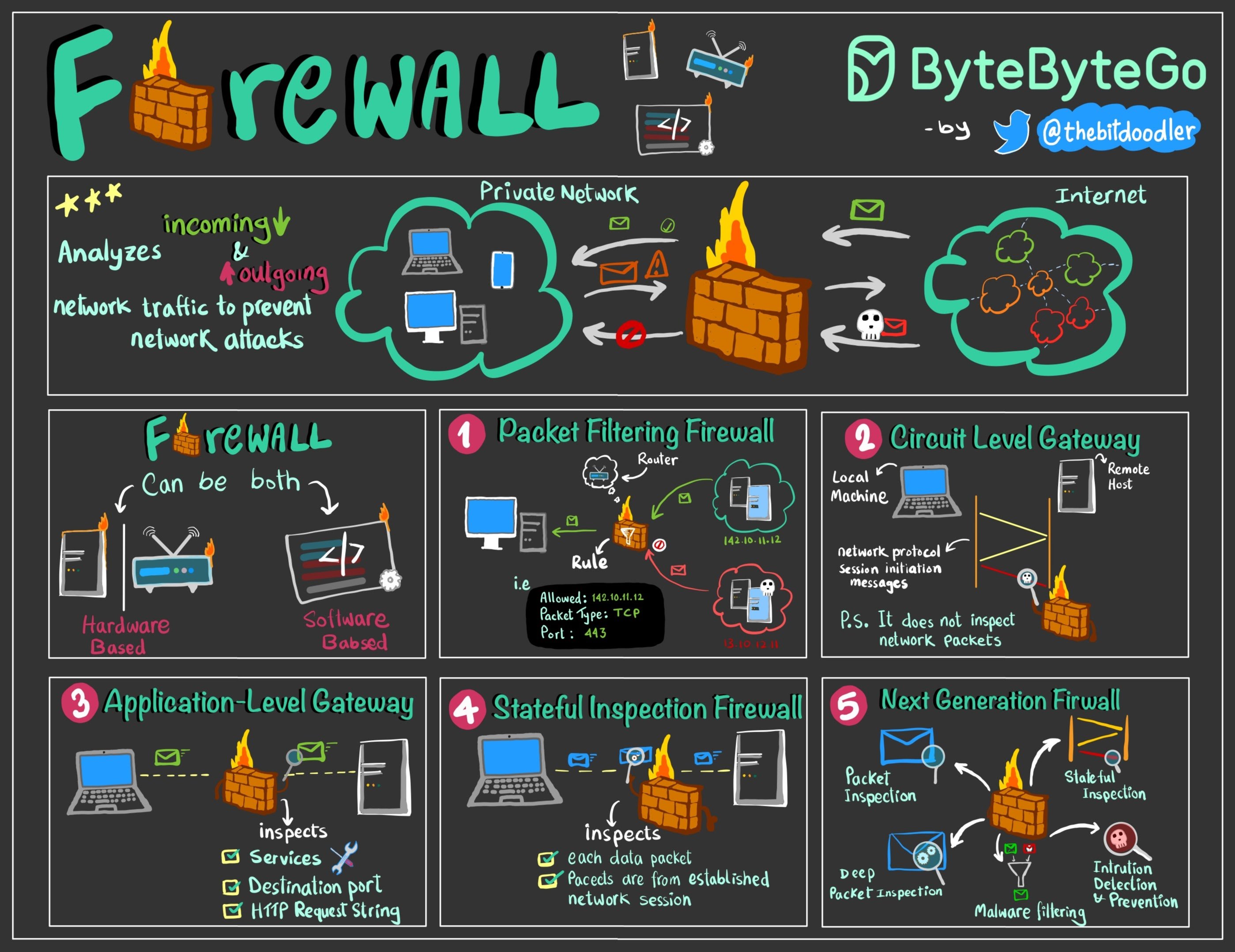
Firewall basics: purpose and function
A firewall is a security system that monitors and controls incoming and outgoing network traffic based on an applied rule set. For websites, firewalls filter malicious requests, block known bad actors, and prevent exploits that target web application vulnerabilities.

Two critical categories for businesses
- Network Firewalls: These operate at the network level (IP, port) to protect internal networks, servers, and infrastructure from unauthorized access. They are essential for on-premises environments and corporate networks.
- Web Application Firewalls (WAFs): WAFs protect web applications by inspecting HTTP/HTTPS traffic and blocking attacks such as SQL injection, cross-site scripting (XSS), file inclusion, and malicious bots. WAFs are tailored to the application layer and are indispensable for protecting business websites and APIs.
- Application-aware filtering: Inspect and filter HTTP/HTTPS requests to block SQL injection, XSS, and other application-layer threats.
- IP reputation and threat intelligence: Use threat feeds and reputation lists to block known malicious IPs and botnets.
- DDoS mitigation: Automatic traffic shaping, rate limiting, and scrubbing to maintain availability during volumetric attacks.
- Bot management: Distinguish between legitimate crawlers and malicious automated traffic; throttle or block attackers.
- SSL/TLS support and inspection: Decrypt and inspect encrypted traffic safely without degrading performance.
- Custom rule sets and virtual patching: Apply targeted rules to defend against zero-day vulnerabilities while developers patch code.
- Logging and alerting: Centralized logs, SIEM integration, and real-time alerts for incident response.
- Scalability and high availability: Cloud-based or hybrid architectures that scale with traffic peaks and ensure redundancy.
- Compliance reporting: Features and logs that simplify PCI DSS, GDPR, HIPAA, and other regulatory requirements.
- Direct savings: Lower incident response and remediation costs; fewer fines from regulatory breaches.
- Revenue protection: Avoiding downtime during peak sales preserves conversion rates and customer trust.
- Operational efficiency: Blocked attacks reduce load on servers and support teams’ time spent on security incidents.
- Insurance and compliance: Demonstrating robust security can lower cyber insurance premiums and meet auditor expectations.
- PCI DSS: Requires firewall protection for cardholder data environments and segmented networks.
- GDPR: Mandates appropriate technical measures to protect personal data; a firewall is part of demonstrating that ‘appropriate’ protection.
- HIPAA: Requires safeguards for electronic protected health information (ePHI); firewalls contribute to technical safeguards.
- Enable a WAF (cloud or host-based) in monitoring mode and review logs for 7–14 days.
- Apply managed rulesets (OWASP CRS) and enable DDoS protection if available.
- Enforce MFA for all administrative accounts and restrict admin access by IP when possible.
- Integrate firewall logs into a centralized SIEM or log management system.
- Set up rate limiting and bot management for login, registration, and checkout endpoints.
- Document firewall policies and include them in your incident response plan.
- Schedule regular reviews and rule tuning (monthly or after significant deployments).
- Website security checklist — link to your site’s security checklist or resources page
- Managed WAF services — link to your product/service pages for WAF/CDN offerings
- Incident response plan template — link to downloadable templates or blog posts
- OWASP Core Rule Set — https://owasp.org
- PCI Security Standards Council — https://www.pcisecuritystandards.org
- NIST Cybersecurity Framework — https://www.nist.gov/cyberframework
- Suggested tweet: “Protect revenue and reputation: Why firewall protection for business websites isn’t optional. Learn the top steps to secure your site. [link]”
- LinkedIn post idea: “Is your website protected from SQLi, bots, and DDoS? A strategic firewall plan can save your business from costly breaches. Read our guide.”
- Open Graph image alt text suggestion: “Business website security — firewall protection protects customer data and uptime.”
Top Business Risks Prevented by Firewalls

1. Data breaches and customer data theft
Attackers exploit application vulnerabilities to access sensitive customer data. A WAF blocks common exploit patterns and prevents attackers from extracting or modifying data, reducing the risk of costly data breaches and regulatory penalties.
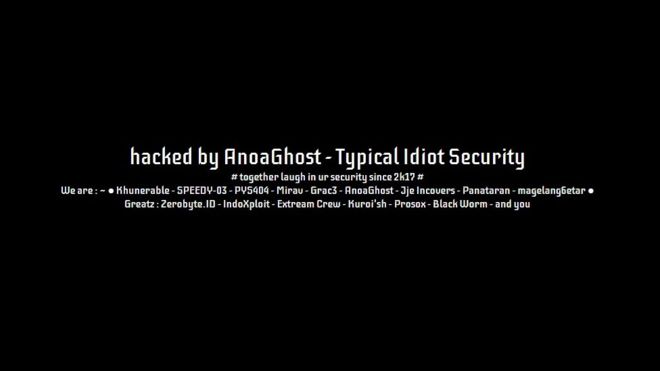
2. Website defacement and brand damage
Defacement incidents harm credibility and drive away customers. Firewalls proactively block unauthorized access to content management systems (CMS) and administrative interfaces, reducing the likelihood of defacement.
3. Distributed Denial of Service (DDoS) attacks
DDoS attacks disrupt availability, causing immediate revenue loss. Modern firewall solutions, often combined with DDoS mitigation services, absorb and filter malicious traffic to keep your site online during attacks.
4. Credential stuffing and brute-force login attempts
Automated bot attacks use stolen credentials at scale. Firewalls with bot management and rate-limiting capabilities detect and block suspicious login patterns, protecting user accounts and administrative access.
5. Malware injection and supply-chain attacks
Attackers inject malicious scripts to siphon payments, redirect traffic, or mine cryptocurrency. A WAF inspects application responses and can block malicious payloads from reaching users.
Key Firewall Features Every Business Website Needs
Comparing Firewall Options: Which Is Right for Your Business?
| Firewall Type | Best for | Strengths | Limitations |
|---|---|---|---|
| Network Firewall | On-premises networks, servers, and corporate LAN | Layer 3–4 filtering, VPN support, reliable perimeter defense | Not effective for application-layer attacks; requires hardware and maintenance |
| Web Application Firewall (WAF) | Public-facing websites, APIs, and web apps | Blocks SQLi, XSS, CSRF; virtual patching; bot mitigation | Must be tuned to reduce false positives; depends on correct configuration |
| Cloud-based CDN + WAF | Scalable websites, e-commerce, SaaS | Global distribution, DDoS protection, performance boost | Ongoing subscription costs; vendor dependency |
| Host-based WAF/Software Firewall | Single-server deployments, development/staging | Granular control, low latency | Resource overhead on host; limited scalability |
How to choose
Start by assessing your attack surface: public APIs, login pages, payment flows, admin consoles, and third-party integrations. For most modern businesses, a cloud-based CDN with integrated WAF and DDoS mitigation offers the best balance of security, performance, and scalability. Larger enterprises often deploy layered defenses: perimeter network firewalls, internal segmentation, and dedicated WAFs in front of critical applications.
Business Case: ROI of Investing in Firewall Protection
Firewalls reduce the probability and impact of incidents that cause downtime, data loss, and brand damage. Consider the following cost-benefit factors:
Example: A mid-size e-commerce site that experiences one major data breach can incur hundreds of thousands to millions in combined remediation, notification, and lost sales. A WAF and DDoS mitigation solution costing a small percentage of annual revenue can prevent such an event or significantly limit its impact.
Real-World Examples and Case Studies
Case: E-commerce site prevented SQL injection attack
An online retailer noticed anomalous traffic targeting product pages. Their cloud WAF flagged multiple parameterized payloads typical of SQL injection. The WAF blocked requests, alerted security teams, and applied a custom rule to virtually patch the vulnerability until the development team deployed a permanent fix. Result: no data loss, no downtime, and targeted remediation.
Case: DDoS attack mitigated during a product launch
A SaaS vendor faced a sudden traffic surge from a DDoS botnet during a product release. Their CDN with integrated DDoS protection and rate limiting absorbed malicious traffic while legitimate visitors continued to access the site. Revenue and customer experience remained intact while the vendor worked with their provider to filter attack sources.
Case: Bot management reduces credential stuffing
A membership site experienced high rates of failed logins and account takeovers via credential stuffing. A WAF with behavioral bot detection and progressive challenge (CAPTCHA only for suspicious traffic) reduced automated login attempts by 95% and substantially lowered account compromise incidents.
Practical Steps to Deploy and Maintain Website Firewalls
1. Inventory and prioritize your attack surface
List public endpoints, admin panels, APIs, payment pages, and third-party integrations. Prioritize by sensitivity and business impact to determine where to apply strictest controls.
2. Choose the right firewall mix
For most businesses: use a cloud-based CDN + WAF for public-facing sites, a network firewall for on-prem resources, and host-based protections for critical servers.
3. Configure rules and enable managed policies
Start with managed threat rules and OWASP Core Rule Set (CRS). Then tune custom rules based on logs and false positives. Enable virtual patching for unpatched vulnerabilities.
4. Harden administrative access and authentication
Restrict admin panels by IP, enforce multi-factor authentication (MFA), use strong password policies, and use separate admin URLs where feasible.
5. Implement logging, monitoring, and incident response
Forward firewall logs to a SIEM or centralized log management. Define alert thresholds and an incident response playbook. Regularly test response procedures with drills.
6. Integrate with DevOps and change management
Include security gates in the CI/CD pipeline. When deploying new features, run automated security tests and update WAF rules to reflect new endpoints.
7. Continuous tuning and threat intelligence
Review logs monthly (or more often) and adjust rules. Subscribe to threat feeds and vendor updates to stay ahead of emerging attack vectors.
Compliance, Liability, and Legal Considerations
Many regulations and standards require reasonable controls to protect customer data. A firewall is often a baseline control for compliance frameworks:
Failing to implement basic protections like firewalls can increase legal liability after a breach. Documentation of firewall policies, monitoring, and incident response reduces legal exposure and supports breach investigations.
Common Objections and How to Overcome Them
“Firewalls are too expensive”
Consider cost relative to potential breach impact. Cloud-based WAF/CDN models scale with usage and often cost less than remediation of a single major incident.
“We already have HTTPS and secure development practices”
HTTPS protects data in transit but does not stop application-layer attacks. Secure development reduces vulnerabilities but cannot prevent zero-days or misconfigurations; WAFs provide compensating controls.
“False positives will break our site”
Managed rules and progressive deployment (monitor mode → block mode) minimize false positives. Proper tuning and maintenance eliminate most legitimate-traffic disruptions.
Checklist: Immediate Actions to Improve Website Firewall Protection
Internal and External Linking Recommendations
Internal link suggestions (anchor text recommendations):
Authoritative external links to include (open in new window):
Social Sharing Optimization
FAQ: Quick Answers for Common Questions
Do I need both a network firewall and a WAF?
Yes—network firewalls protect infrastructure and internal networks while WAFs defend application-layer traffic. For comprehensive security, use both where appropriate.
Will a WAF affect website performance?
Modern cloud WAFs and CDNs are optimized for low latency and may improve performance by caching and distributing content. Properly configured, the performance impact is negligible.
How often should I tune firewall rules?
At minimum monthly, and after each major deployment or observed incident. More frequent tuning may be necessary for high-traffic or high-risk sites.
Can a WAF prevent all attacks?
No single control is foolproof. A WAF significantly reduces risk but should be part of a layered security strategy including secure coding, patch management, access controls, and monitoring.
Authoritativeness and Expertise
This guidance is based on current industry best practices in web security, OWASP recommendations, and practical experience defending web applications across e-commerce, SaaS, and enterprise environments. Implementing a layered approach that includes both network and application-layer firewalls is a proven, cost-effective way to reduce risk and protect revenue.
Conclusion: Take Firewall Protection Seriously — Act Now
Website firewalls are a practical, measurable, and cost-effective investment in business continuity, customer trust, and legal compliance. They stop common attack vectors, reduce the impact of zero-day vulnerabilities, and keep your website available during attacks. Don’t wait for an incident to expose your vulnerabilities. Start with a discovery of your attack surface, deploy a WAF in monitoring mode, and adopt a layered defense strategy combining network firewalls, host protections, and continuous monitoring.
Key takeaways: Firewalls are essential to prevent data breaches, downtime, and brand damage. Choose a solution that fits your traffic and risk profile, enable managed rules and DDoS protection, integrate logs into incident response workflows, and regularly tune rules. Protecting your website is protecting your business.
Ready to strengthen your website defense? Begin by enabling a WAF in monitoring mode this week, enforce MFA for all admin accounts, and schedule a firewall rule review with your security or operations team.
Publication Details
Author: Cybersecurity Content Specialist
Image alt text suggestions: “Firewall protection for business websites”, “WAF shielding website from attacks”, “Server protected by firewall and security shields”.
Suggested schema markup: WebPage with properties: headline, description, author, datePublished, mainEntity (FAQ).
Note: For additional credibility,
about the author

Making sure your website stands out in the Great North.
